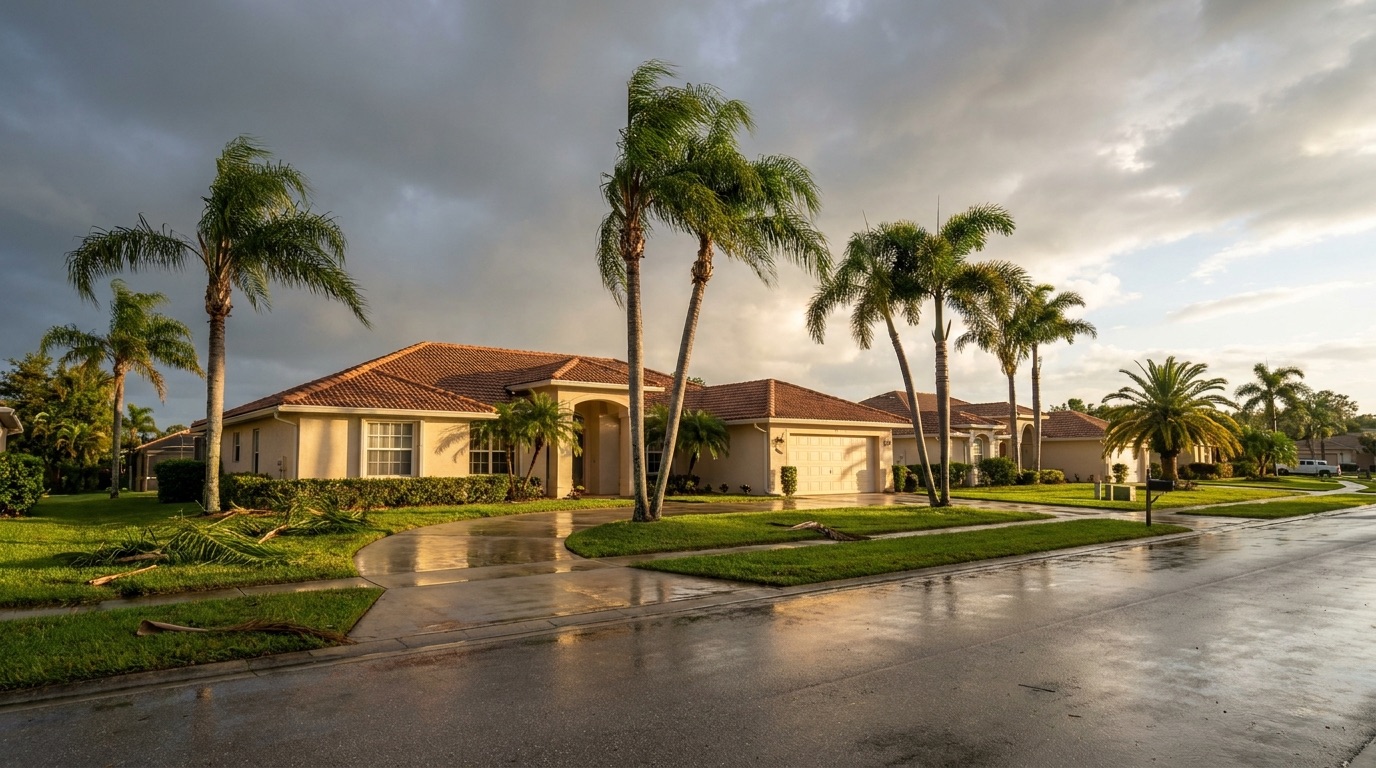
Storm damage restoration across Miami-Dade County
Storm Damage 911 is a free matching service connecting homeowners in all 68 Miami-Dade County communities we cover with vetted, licensed, insured storm damage restoration contractors. Miami-Dade County sits at roughly 6 feet above sea level on a low-lying limestone peninsula flanked by the Atlantic Ocean to the east and Biscayne Bay running through its core, making storm surge the primary life-safety threat: a direct Category 1 hurricane can push 1.5 feet or more of seawater into Zone A communities on barrier islands like Miami Beach, Key Biscayne, and Sunny Isles Beach, while a major Category 3-5 storm can drive surge several miles inland through the county's dense canal network.
Miami-Dade County sits at roughly 6 feet above sea level on a low-lying limestone peninsula flanked by the Atlantic Ocean to the east and Biscayne Bay running through its core, making storm surge the primary life-safety threat: a direct Category 1 hurricane can push 1.5 feet or more of seawater into Zone A communities on barrier islands like Miami Beach, Key Biscayne, and Sunny Isles Beach, while a major Category 3-5 storm can drive surge several miles inland through the county's dense canal network. The county sits in a High Velocity Hurricane Zone (HVHZ), the highest wind-exposure classification in the continental United States, with design wind speeds of 170-200+ mph driving the most stringent building code in the country - a direct legacy of Hurricane Andrew (1992), which struck south Miami-Dade near Homestead and Kendall as a Category 5, causing over $25 billion in damage and remaining the benchmark event for regional construction standards. Hurricane Irma (2017) demonstrated the Bay-side surge threat specifically: 3-5 feet of inundation along the Biscayne Bay shoreline from Homestead to Brickell, with isolated peaks above 6 feet in Coconut Grove, while agricultural South Miami-Dade lost 50% of its crops. Inland flooding from the county's flat topography, porous limestone substrate, and extensive canal system compounds wind and surge damage: heavy rainfall from any slow-moving tropical system can inundate neighborhoods well outside coastal surge zones, and rising baseline sea levels (projected 10-17 inches above 2000 levels by 2040) are steadily reducing drainage margins countywide.
Get matched in Miami-Dade County
Free, no obligation. We match you with up to two licensed, insured local pros so you can compare.
- Licensed pros
- Free, no spam
- One call, not eight
Got it. A vetted local pro will reach out shortly.
Add a few details to help us find the right match faster (optional):
Storm damage restoration services in Miami-Dade County
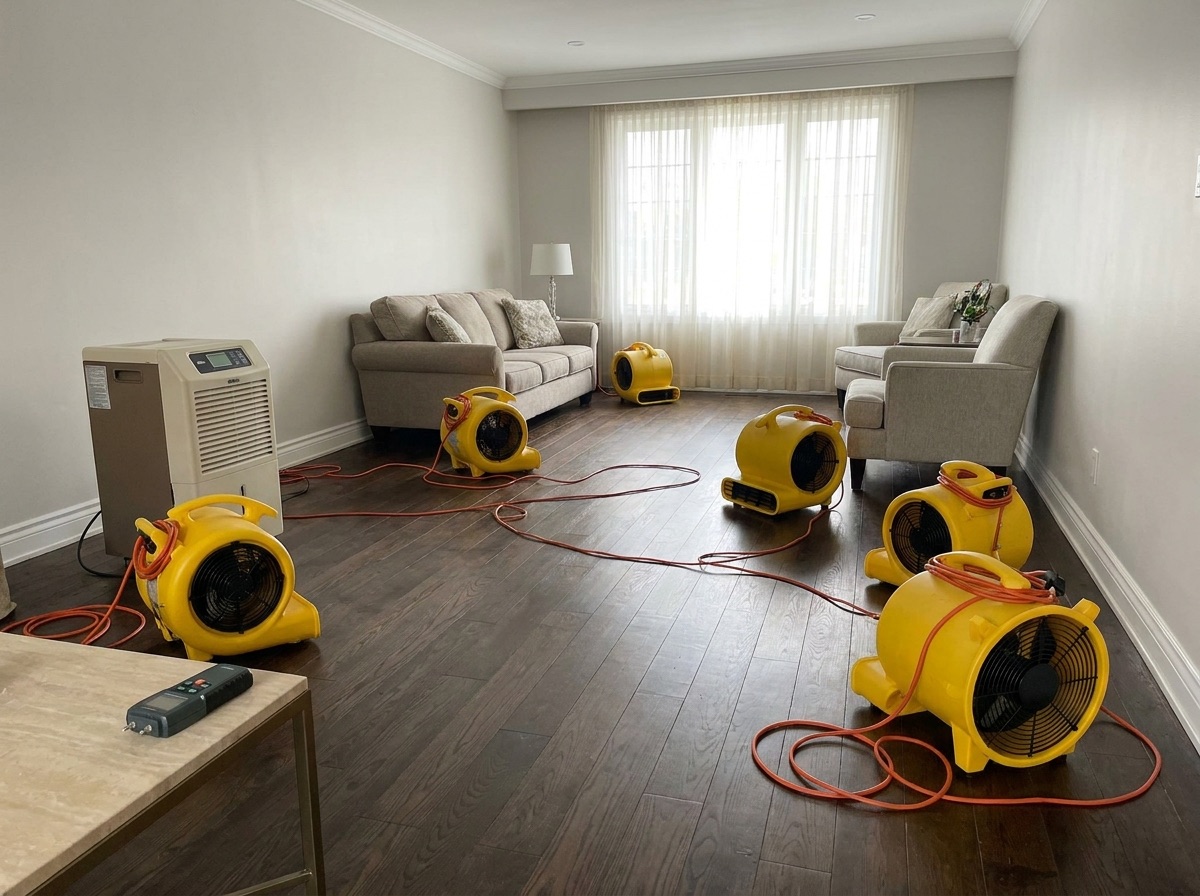
Water Damage Restoration
Fast water extraction, structural drying, and cleanup after storm flooding, basement water, or roof leaks.
Get help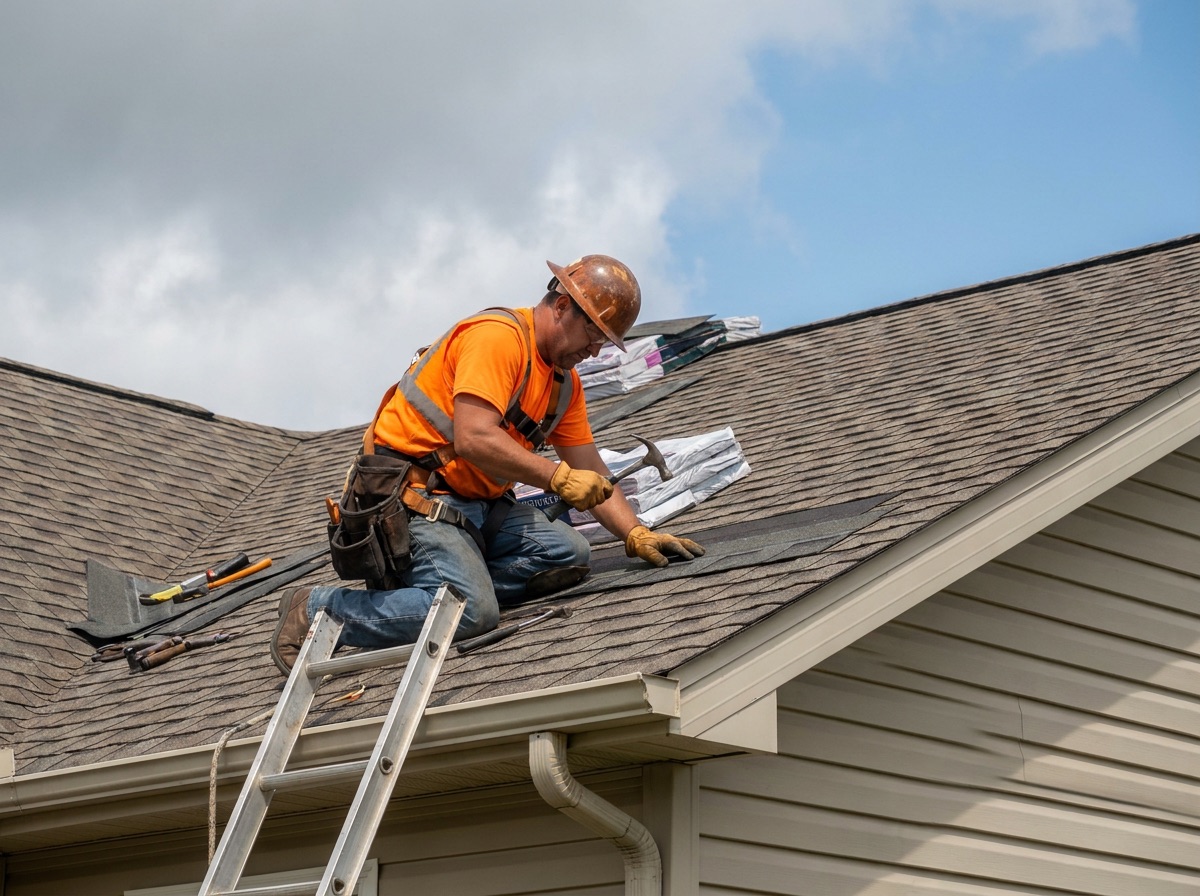
Roof Repair & Replacement
Storm, wind, and hail roof repair or full replacement by licensed local roofing contractors.
Get help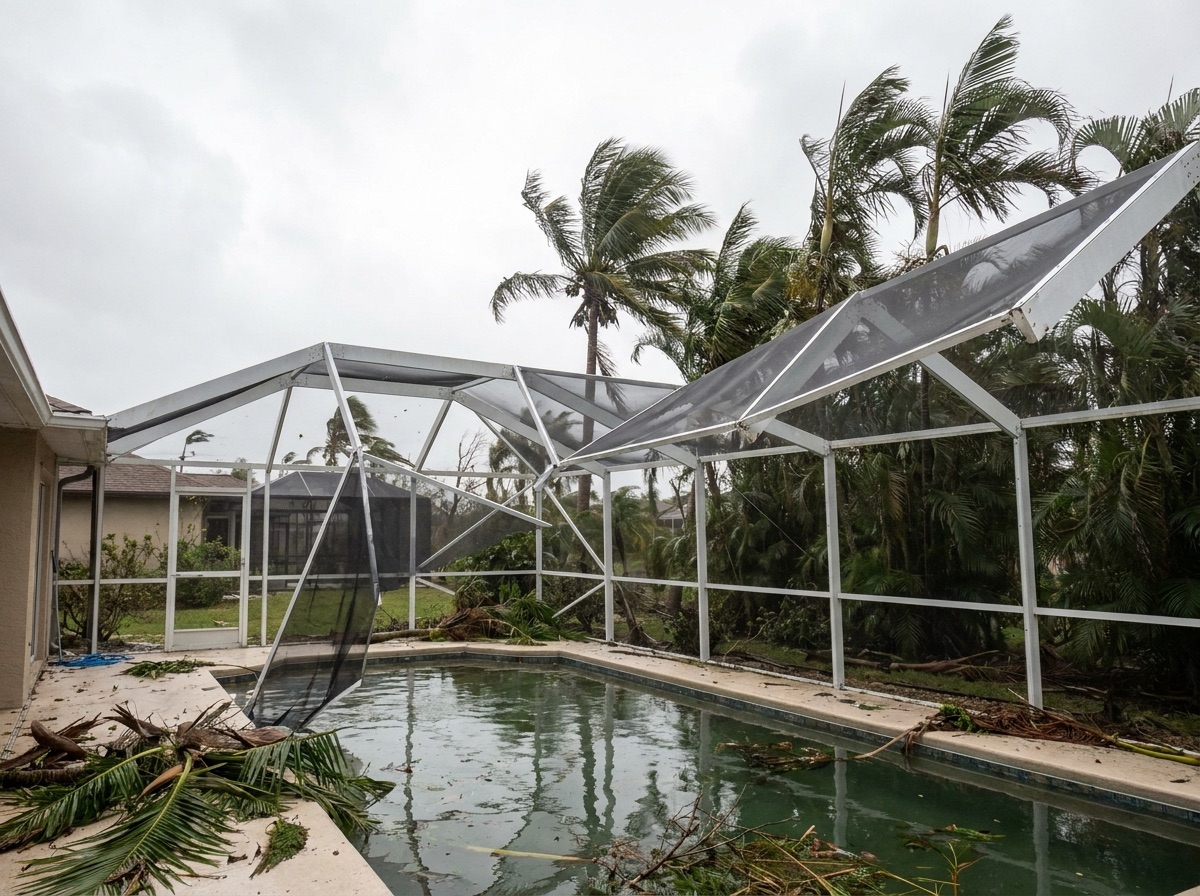
Screen Enclosure & Pool Cage Repair
Rescreen, reframe, or fully rebuild storm-damaged lanais and pool cages.
Get help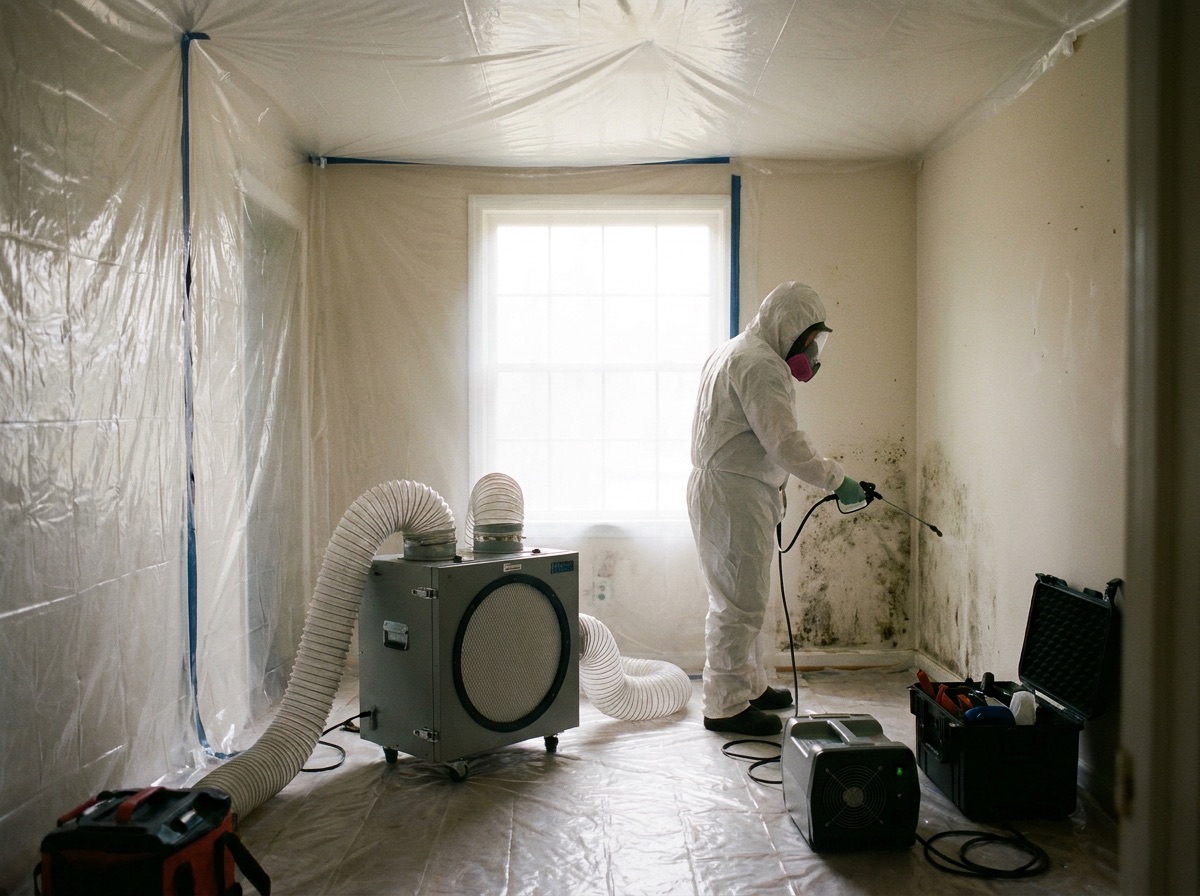
Mold Remediation
Licensed mold remediation after storm flooding or prolonged water intrusion.
Get help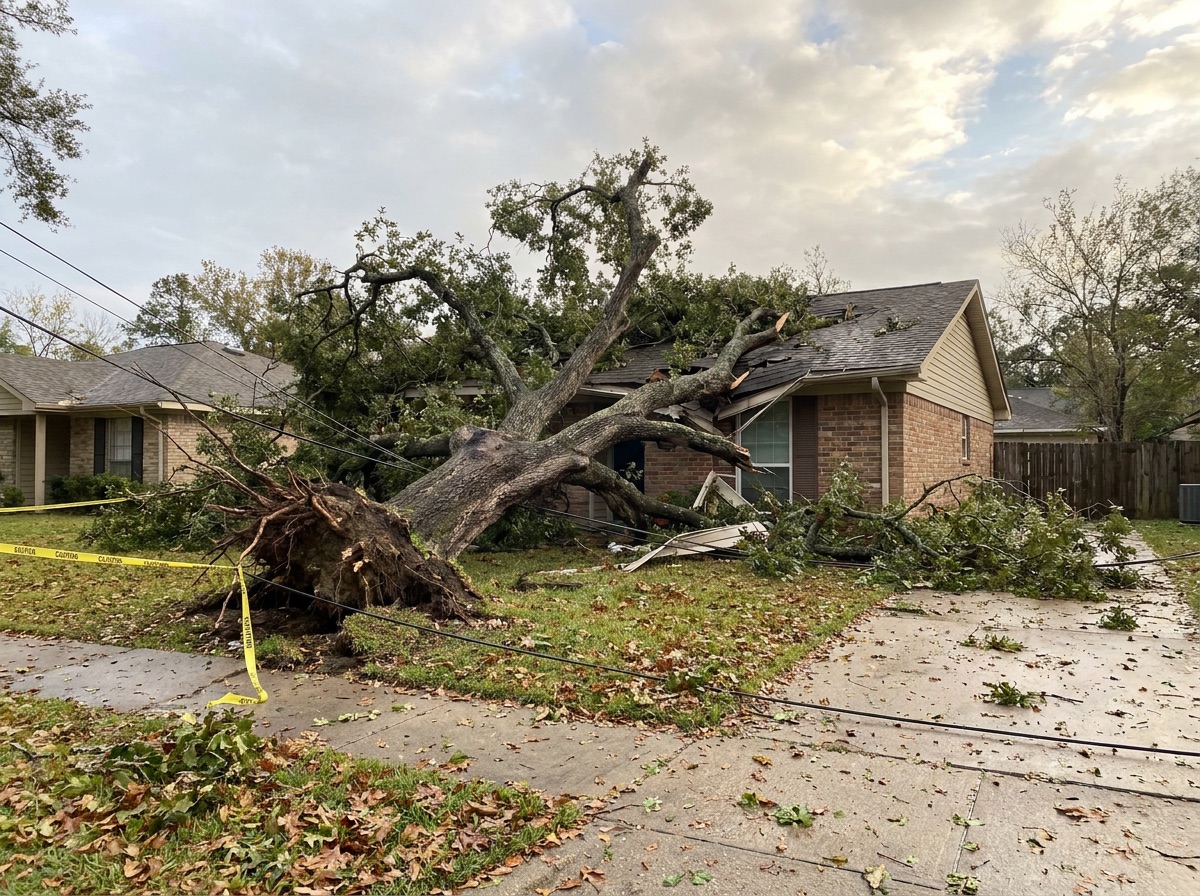
Tree Removal & Debris
Emergency removal of fallen and hazardous trees, plus storm debris hauling.
Get help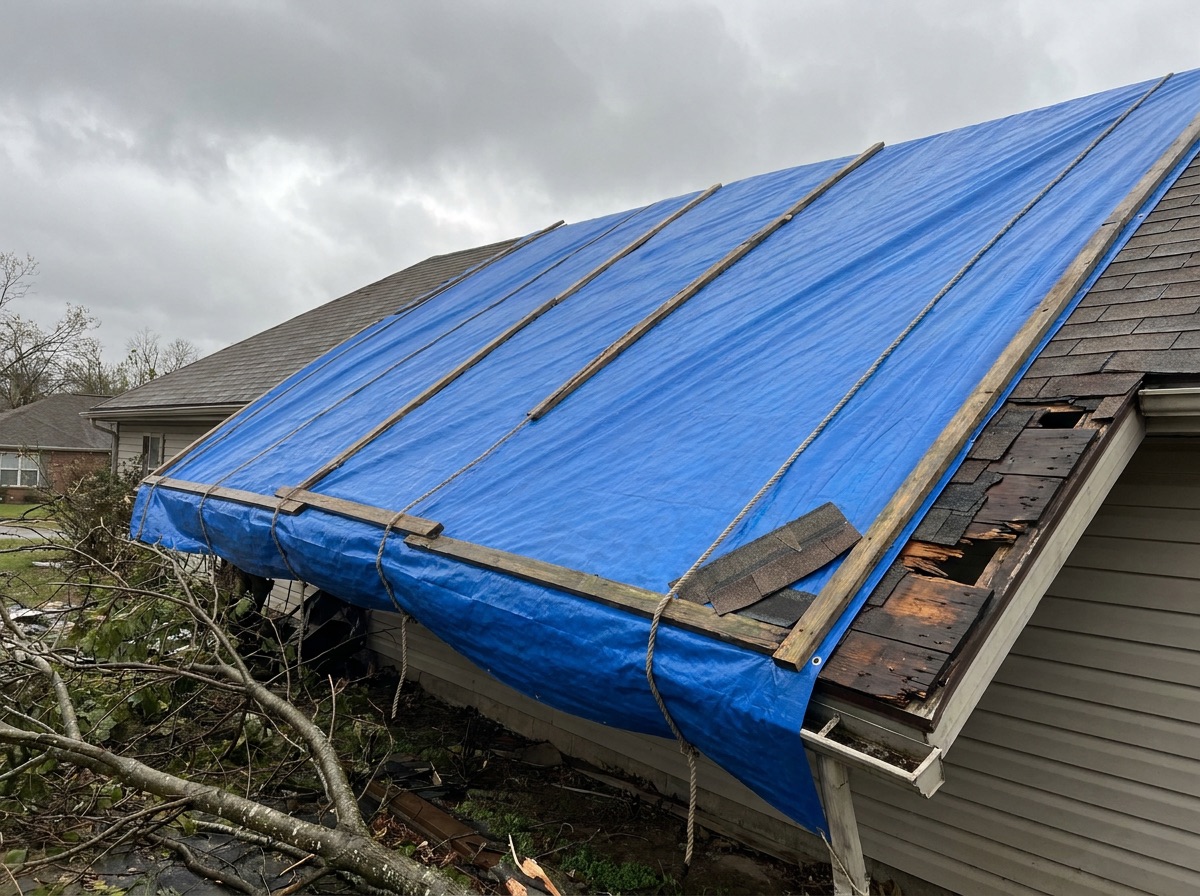
Emergency Roof Tarping
Immediate roof tarping to stop water intrusion until permanent repairs.
Get help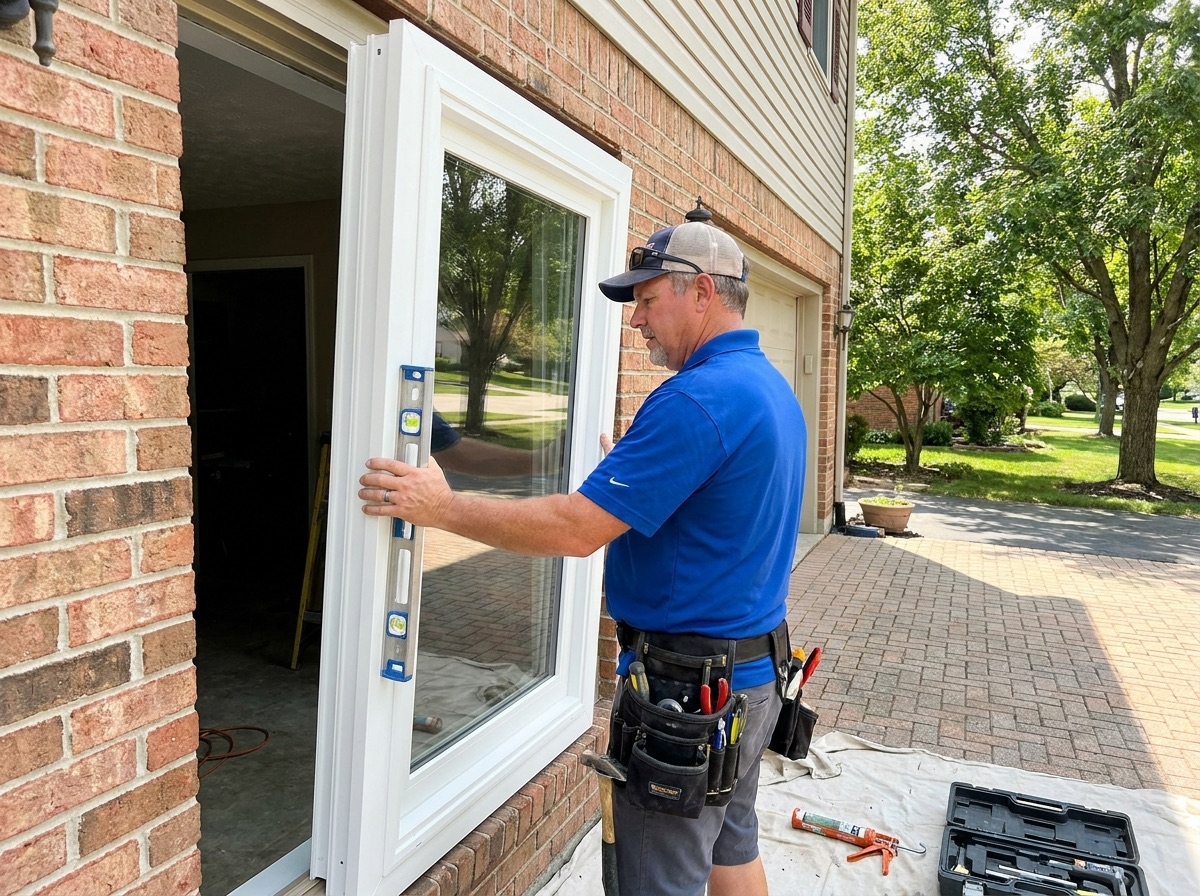
Impact Window & Door Replacement
Replace storm-broken windows and doors with code-rated impact units.
Get help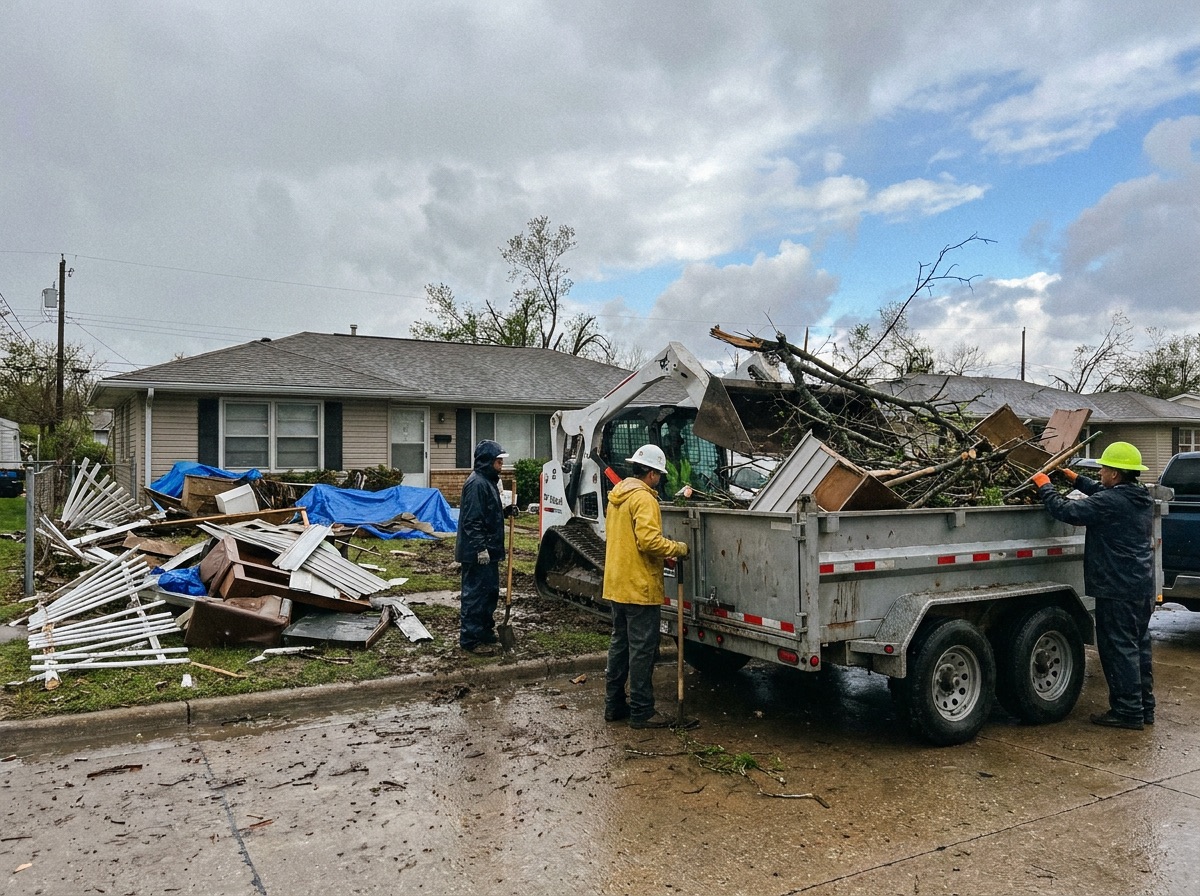
Storm Debris Cleanup
Haul-away of storm debris, damaged materials, and yard wreckage.
Get helpStorm damage in Miami-Dade County? Start here.
Free, no obligation. We match you with up to two licensed, insured local pros so you can compare.
- Licensed pros
- Free, no spam
- One call, not eight
Got it. A vetted local pro will reach out shortly.
Add a few details to help us find the right match faster (optional):
Storm damage contractors serving 68 communities in Miami-Dade County
Licensed storm damage restoration network in Miami-Dade County
Wherever you are in Miami-Dade County, we connect you with a vetted local pro who knows this area and its storms.
Storm damage questions for Miami-Dade County homeowners
Who pays for storm debris removal in Miami-Dade County?
Most homeowners insurance policies include a debris removal provision, though limits vary by policy. Storm Damage 911 connects you with a licensed contractor who can document the debris for your claim and prioritize emergency removal.
Does homeowners insurance cover storm damage to a roof in Miami-Dade County?
Wind and hail roof damage is typically covered under standard homeowners policies, but coverage depends on your policy's peril list and deductible. A vetted contractor in our network can provide a written damage report to support your claim.
What do I do if a tree falls on my house in Miami-Dade County?
Get everyone clear of the damaged area first and call your insurer to open a claim. Then contact Storm Damage 911: we match you with an emergency tree removal contractor who can assess structural damage and prevent further water intrusion while your claim is processed.
How likely is mold after water damage from a storm?
Mold can begin growing within a day or two of water intrusion, which is why fast drying matters. Storm Damage 911 connects homeowners in Miami-Dade County with licensed contractors who pair water extraction with mold prevention as a single scope of work.