What to do after storm damage
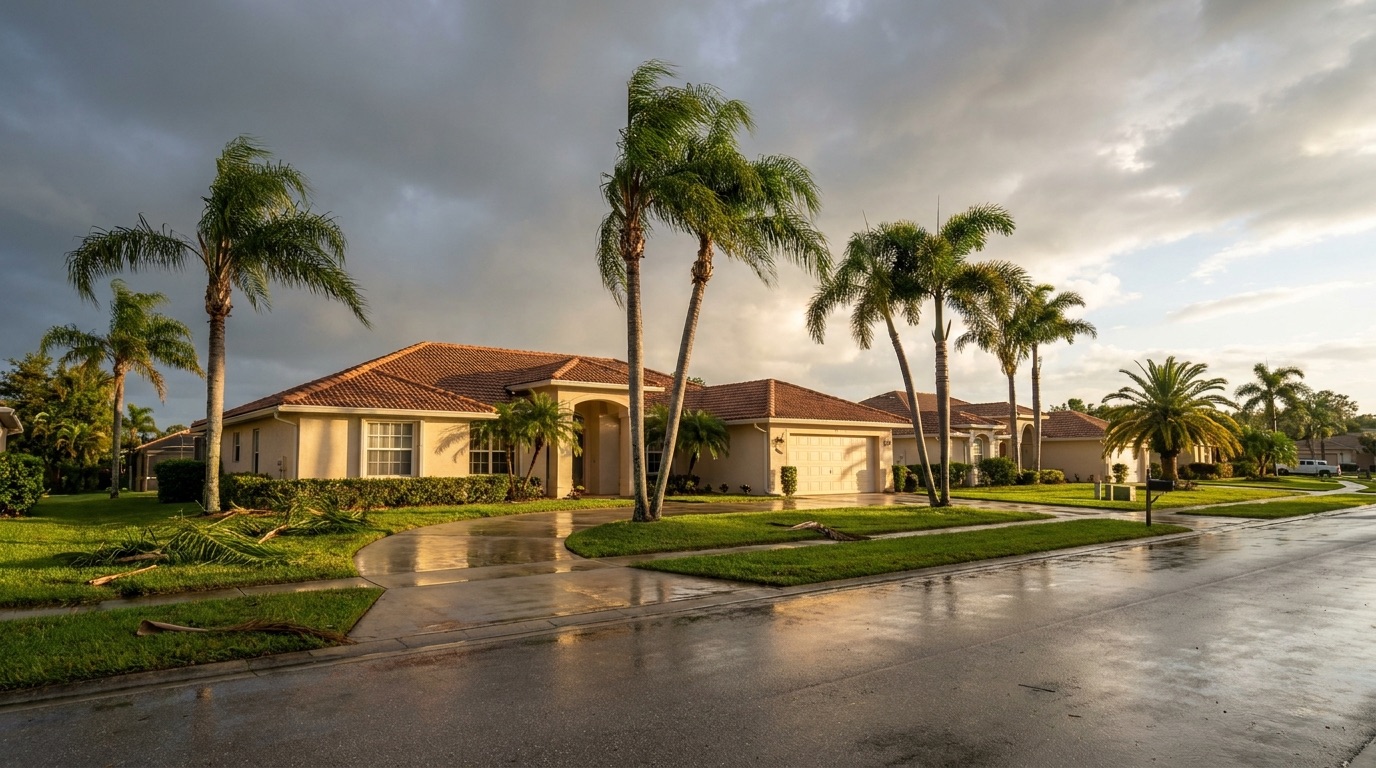
Whether it is a Gulf hurricane and surge in Tampa Bay or hail, straight-line wind, and basement flooding in Illinois, the first hours after a storm matter most. Here is what to do, plus a live look at active alerts across our regions.
After storm damage: a calm checklist
- Make sure everyone is safe and stay clear of downed power lines and standing water.
- If it is safe, take photos and video of all damage before you move or clean anything.
- Make temporary repairs to stop further damage (a tarp or board-up), and keep the receipts.
- Write down the date and what happened while it is fresh.
- Contact your insurer to report the loss, and ask them about your specific coverage and deductible.
- Get a free inspection and written estimate from a licensed contractor.
Get a free assessment
Free, no obligation. We match you with up to two licensed, insured local pros so you can compare.
- Licensed pros
- Free, no spam
- One call, not eight
Got it. A vetted local pro will reach out shortly.
Add a few details to help us find the right match faster (optional):
Active storm alerts
Live storm map
Active NWS alerts for Florida and Illinois
Storm season questions
What is considered storm damage to a roof?
Storm damage to a roof includes wind-lifted or missing shingles, hail bruising and granule loss, punctures from falling branches, damaged flashing, and leaks that appear after a weather event. Even damage you cannot see from the ground can lead to leaks, which is why a professional inspection after a major storm matters.
What changed with Florida insurance and 'AOB'?
For policies issued on or after January 1, 2023, Florida ended Assignment of Benefits, which means a contractor can no longer take over your insurance claim. You work directly with your insurer. We connect you with a licensed contractor to assess and document damage, but for coverage questions you should talk to your insurer or a licensed public adjuster.
How long after a storm can you file an insurance claim?
Filing deadlines vary by state and by policy, and they are limited, so report damage to your insurer as soon as you reasonably can. Prompt documentation also strengthens your claim. Check your policy or ask your insurer for the exact window that applies to you.