Storm damage restoration in Highland
Storm Damage 911 is a free matching service that connects Highland homeowners with vetted, licensed, insured storm damage restoration contractors serving Madison County. Madison County sits at the northern edge of the St.
Highland is a city of roughly 10,000 in Madison County, Illinois, situated in the rolling farmland east of the St. Louis metro area where the Illinois severe weather corridor is well established. The county's tornado record stretches back to 1814, and the EF4 that crossed the Mississippi from Missouri into Pontoon Beach and Granite City in April 2011 was a stark reminder of how powerful these events can be. Beyond tornadoes, derechos and large hail cause more aggregate roof and siding damage most years than any single twister, and low-lying areas near the Mississippi and its tributaries face recurring flood risk. Ice storms and heavy snow are reliable seasonal hazards. Storm Damage 911 connects Highland homeowners with vetted, licensed local pros for a free assessment.
Get matched in Highland
Free, no obligation. We match you with up to two licensed, insured local pros so you can compare.
- Licensed pros
- Free, no spam
- One call, not eight
Got it. A vetted local pro will reach out shortly.
Add a few details to help us find the right match faster (optional):
Storm damage restoration contractors in Highland
Madison County sits at the northern edge of the St. Louis metro area along the Mississippi River, placing it squarely in one of Illinois' most active severe-weather corridors. NWS data documents more than 80 tornadoes in the county since 1814, including three EF4 events (1948, 1981, 2011) and a long-track EF4 in April 2011 that crossed the Mississippi from St. Louis into Pontoon Beach and Granite City. The county experiences frequent large hail, derecho-driven straight-line winds, and damaging thunderstorm gusts - the NWS notes that the greatest Illinois tornado frequency runs in a band from Madison and St. Clair counties northeastward, and thunderstorm winds cause more annual property damage than tornadoes. The Mississippi River, Illinois Route 3 corridor, and low-lying areas around Alton, Hartford, and Roxana face repeated flash flooding and riverine flood events, with the Army Corps of Engineers and Southwestern Illinois Flood Prevention District maintaining active flood mitigation programs. Winter storms bringing ice, freezing rain, and heavy snow are a seasonal hazard across the county each year.

Water Damage Restoration
Fast water extraction, structural drying, and cleanup after storm flooding, basement water, or roof leaks.
Get help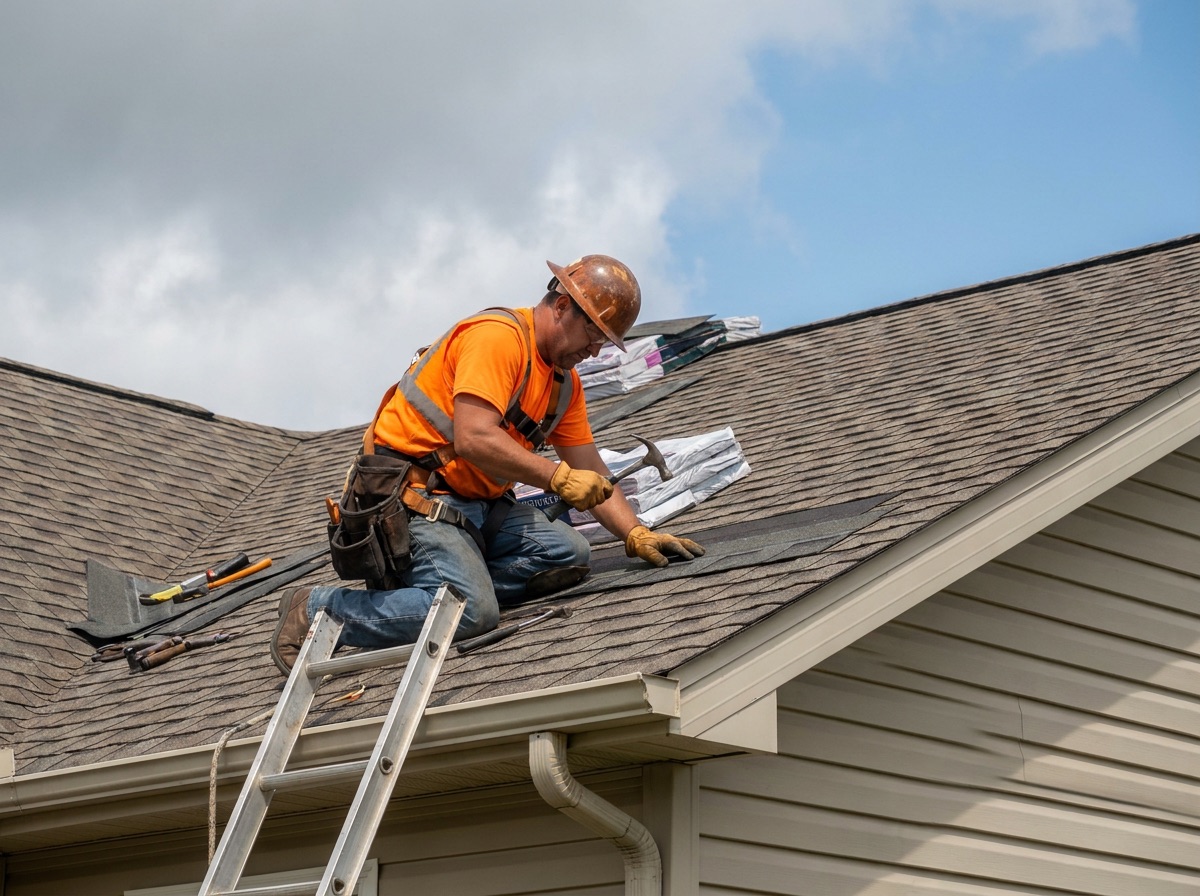
Roof Repair & Replacement
Storm, wind, and hail roof repair or full replacement by licensed local roofing contractors.
Get help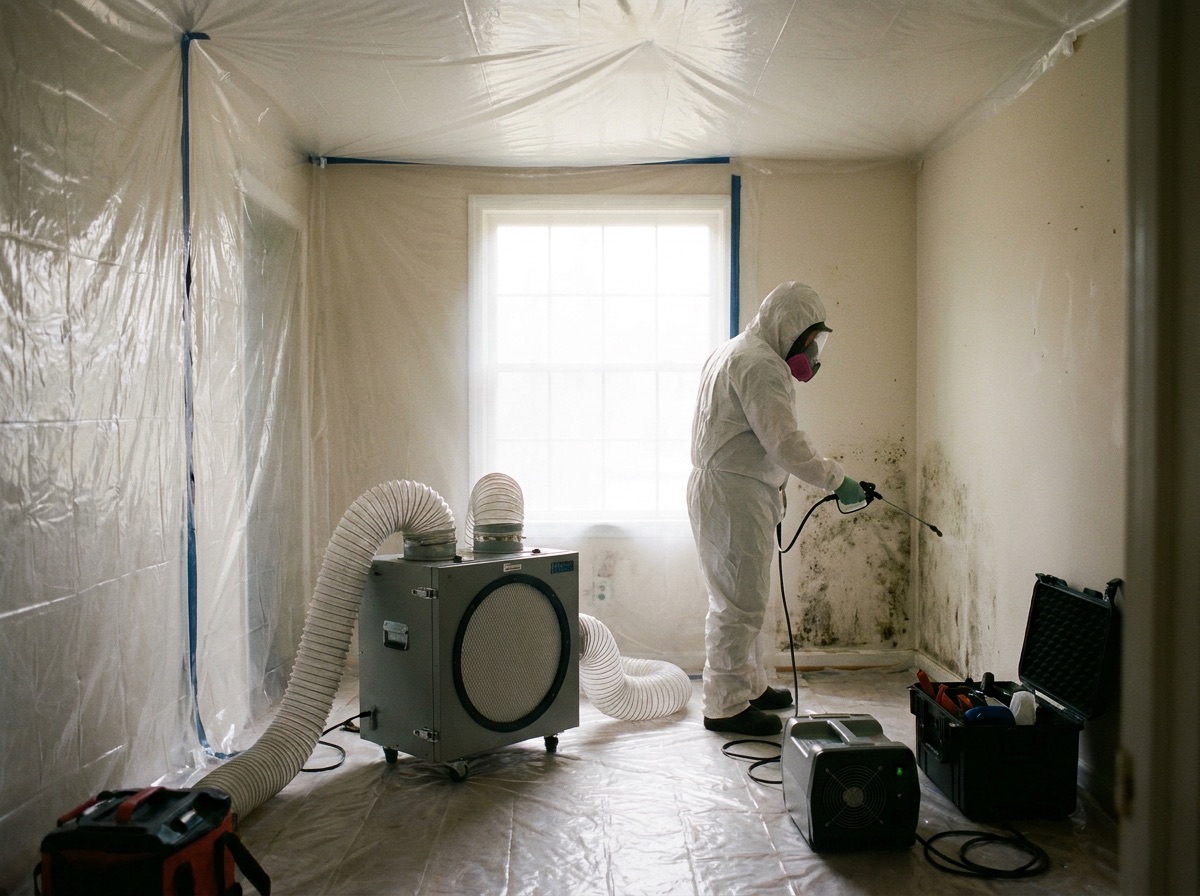
Mold Remediation
Licensed mold remediation after storm flooding or prolonged water intrusion.
Get help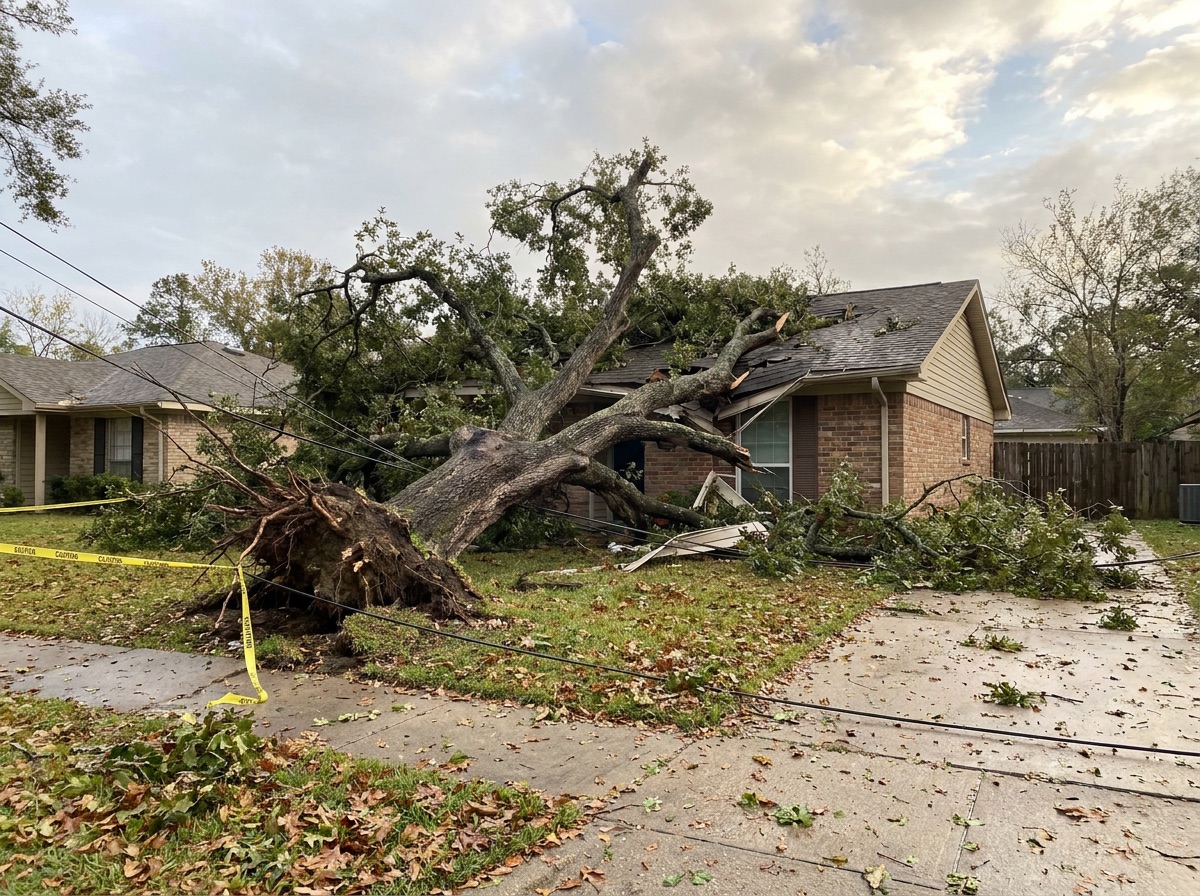
Tree Removal & Debris
Emergency removal of fallen and hazardous trees, plus storm debris hauling.
Get help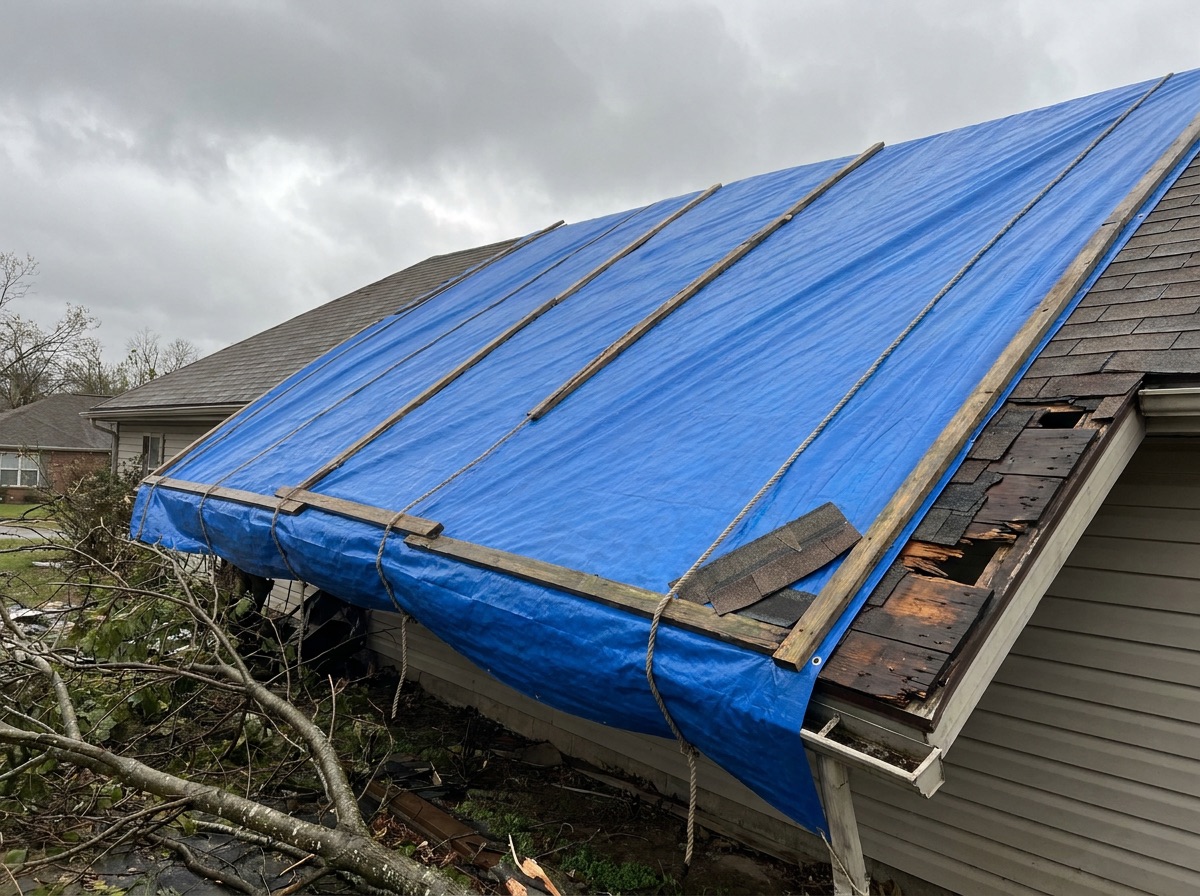
Emergency Roof Tarping
Immediate roof tarping to stop water intrusion until permanent repairs.
Get help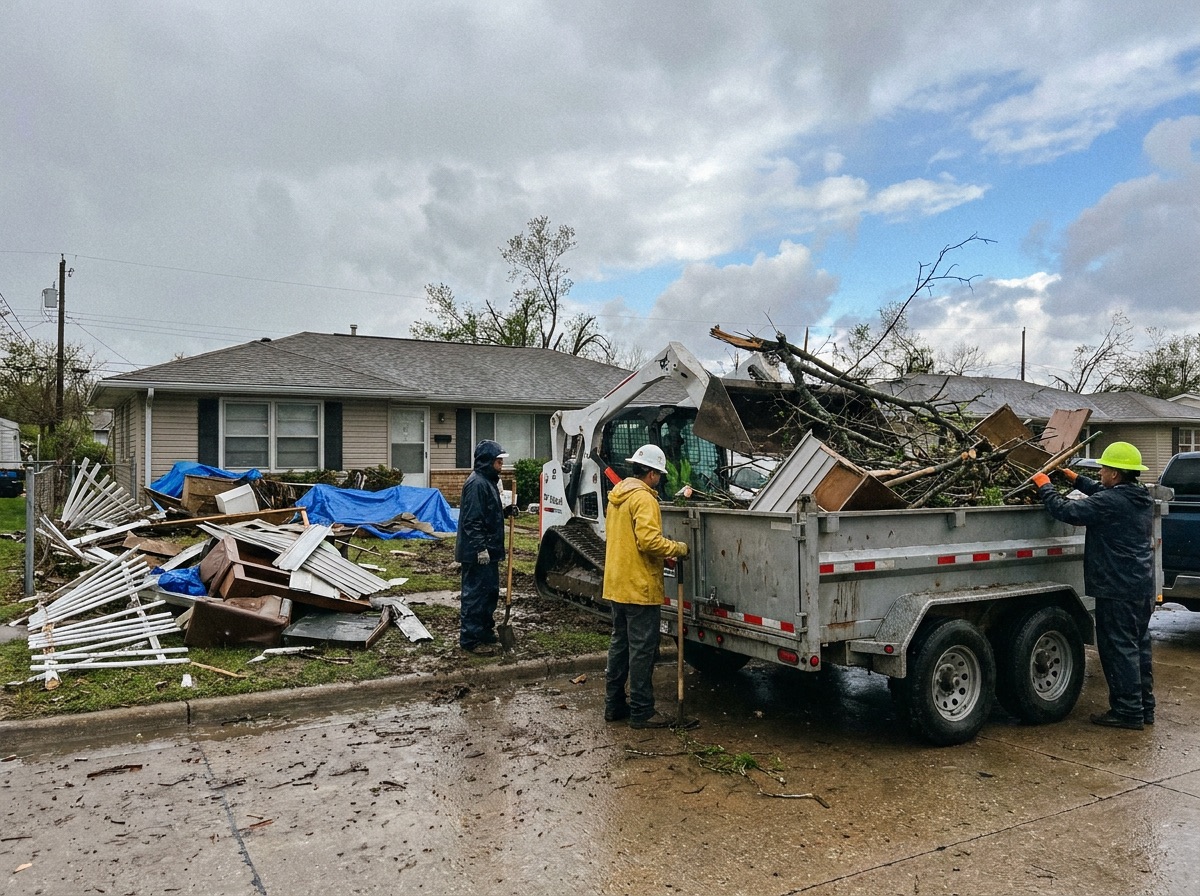
Storm Debris Cleanup
Haul-away of storm debris, damaged materials, and yard wreckage.
Get helpStorm damage in Highland? Start here.
Free, no obligation. We match you with up to two licensed, insured local pros so you can compare.
- Licensed pros
- Free, no spam
- One call, not eight
Got it. A vetted local pro will reach out shortly.
Add a few details to help us find the right match faster (optional):
Serving Highland and Madison County
Highland is part of Madison County, and our network connects homeowners here with local crews who know the area, its permitting, and the way storms hit it.
Common storm repairs in Highland
Highland storm damage: common questions
How does Storm Damage 911 work in Highland?
Tell us what happened and where. We match you, free, with a vetted, licensed restoration pro who works in Highland and Madison County. You get a no-obligation assessment and decide whether to move forward. We are a free matching service, not the contractor.
Is storm damage covered by insurance in Illinois?
Most Illinois homeowners policies cover sudden storm damage from wind, hail, and falling trees. Flooding from rising water usually needs separate flood insurance, and some policies treat wind or hail differently. The pro we connect you with can document the damage for your claim, though your actual coverage depends on your policy.
What should I do right after storm damage to my home in Highland?
Prioritize safety: stay clear of downed power lines and standing water. Once safe, photograph all damage before touching anything. Make temporary repairs like roof tarping to prevent further damage and keep the receipts. Report the loss to your insurer, then get a free inspection from a licensed contractor in Highland.
How fast can a pro reach me in Highland?
For urgent issues like an active roof leak or a fallen tree, network pros serving Highland prioritize emergency calls and often respond the same or next day. Non-urgent repairs are usually scheduled for a free assessment within a day or two.
What storm damage services can I get in Highland?
In Highland we cover water damage, roofing, mold, tree removal, roof tarping, debris cleanup, plus dozens of specific repairs like emergency roof tarping, water extraction, and fallen-tree removal.
How much does storm damage restoration cost in Highland?
It depends on the type and extent of damage, from a small emergency tarp job to a full roof replacement or water damage cleanup. The local pro gives you a free written estimate before any work begins, so you know the cost up front.